


Unlocking the Secrets of Allen Bradley 1756 Series: Your Ultimate Guide to Specs, Applications, and Compatibility!
The Allen Bradley 1756 series stands as a pivotal component in the realm of industrial automation, providing robust solutions for various control systems. Known for its reliability and versatility, this series has evolved significantly since its inception, becoming an essential part of numerous industries. In this article, we will delve into the specifications, applications, and compatibility of the Allen Bradley 1756 series parts, equipping users with the necessary knowledge to optimize their systems. Whether you’re a seasoned technician or a newcomer to industrial automation, understanding these components will empower you to make informed decisions and enhance operational efficiency.
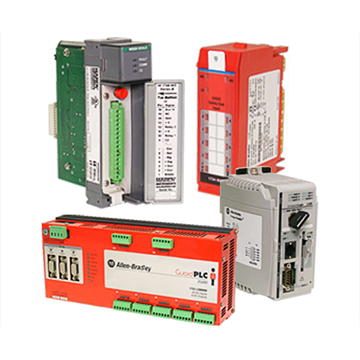
Overview of Allen Bradley 1756 Series
The Allen Bradley 1756 series was introduced as part of a broader move towards modular and scalable control systems. This series has undergone a remarkable evolution, starting from its early models designed to meet basic automation needs to the advanced, feature-rich components available today. Within the Allen Bradley family, the 1756 series holds a unique position as a high-performance solution, catering to complex industrial tasks across various sectors. I remember when my friend, an automation engineer, first integrated the 1756 series into a manufacturing setup. The flexibility and ease of integration impressed him, showcasing how the series has adapted to meet the growing demands of industrial processes over the years.
Specifications of Allen Bradley 1756 Series Parts
The specifications of the Allen Bradley 1756 series parts are designed to cater to a wide range of applications. Key features include a high processing speed, extensive I/O capabilities, and a modular design that allows for easy upgrades. The series supports various communication protocols such as Ethernet/IP and ControlNet, ensuring seamless integration with existing systems. Performance metrics highlight the ability to handle complex control algorithms and real-time data processing, which are crucial for modern automation needs. Additionally, the durability and robustness of these parts make them suitable for harsh industrial environments. A friend of mine once shared an experience where the reliability of the 1756 series components saved a production line from significant downtime, underscoring their importance in maintaining operational efficiency.
Applications of Allen Bradley 1756 Series Parts
The 1756 series finds applications across various industries, including manufacturing, oil and gas, food and beverage, and pharmaceuticals. For instance, in the manufacturing sector, these components are often used in assembly lines for precise control and monitoring. In oil and gas, the 1756 series helps manage processes that require stringent safety measures and real-time data analysis. One specific use case involved a food processing plant that implemented the 1756 series to improve production quality and reduce waste. By optimizing control systems with these parts, the plant achieved higher efficiency and compliance with safety standards. The versatility of the 1756 series makes it a go-to solution for automation challenges in diverse environments.
Compatibility with Other Systems
One of the standout features of the Allen Bradley 1756 series is its compatibility with a wide range of automation systems and components. Users can easily integrate these parts with existing infrastructure, thanks to support for multiple communication protocols and network configurations. When considering integration, it’s essential to assess the existing control architecture to ensure seamless communication between devices. Compatibility with third-party devices is also possible, provided that the necessary protocols are supported. My colleague faced a challenge when integrating older systems with the 1756 series, but with the right configuration and attention to detail, they achieved a successful integration that improved overall system performance.
Common Issues and Troubleshooting Tips
While the Allen Bradley 1756 series is known for its reliability, users may occasionally encounter issues. Common problems include communication failures, unexpected system resets, and module malfunctions. To troubleshoot, it’s advisable to start by checking the configuration settings and ensuring that all connections are secure. Additionally, reviewing diagnostic information from the system can provide insights into any underlying issues. A friend of mine once dealt with a communication error that seemed perplexing at first. After a systematic review of the configuration, they discovered a simple oversight in the network setup that, once corrected, resolved the issue swiftly.
Final Thoughts on Allen Bradley 1756 Series
In conclusion, the Allen Bradley 1756 series is a cornerstone of modern industrial automation, offering a wealth of specifications, applications, and compatibility options. Understanding these components is essential for optimizing automation systems and ensuring operational success. As we’ve explored, the series is not only versatile and reliable but also adaptable to various industrial challenges. I encourage readers to delve deeper into the features and benefits of the 1756 series, as well as to consider its integration into their own systems to enhance productivity and efficiency. The world of automation is ever-evolving, and staying informed is key to harnessing its full potential.



تعليقات