


More in Politics


Related Blogs


Les archives
Partage Social
The Environmental Impact of Using Cast Nets in Fishing Practices
Corps
Fishing is a popular activity worldwide, providing sustenance and livelihoods for millions of people. However, the methods used in fishing can have significant environmental consequences. One such method is the use of cast nets, which are widely employed in various fishing practices. In this article, we will explore the environmental impact of using cast nets and discuss the potential implications for our ecosystems.
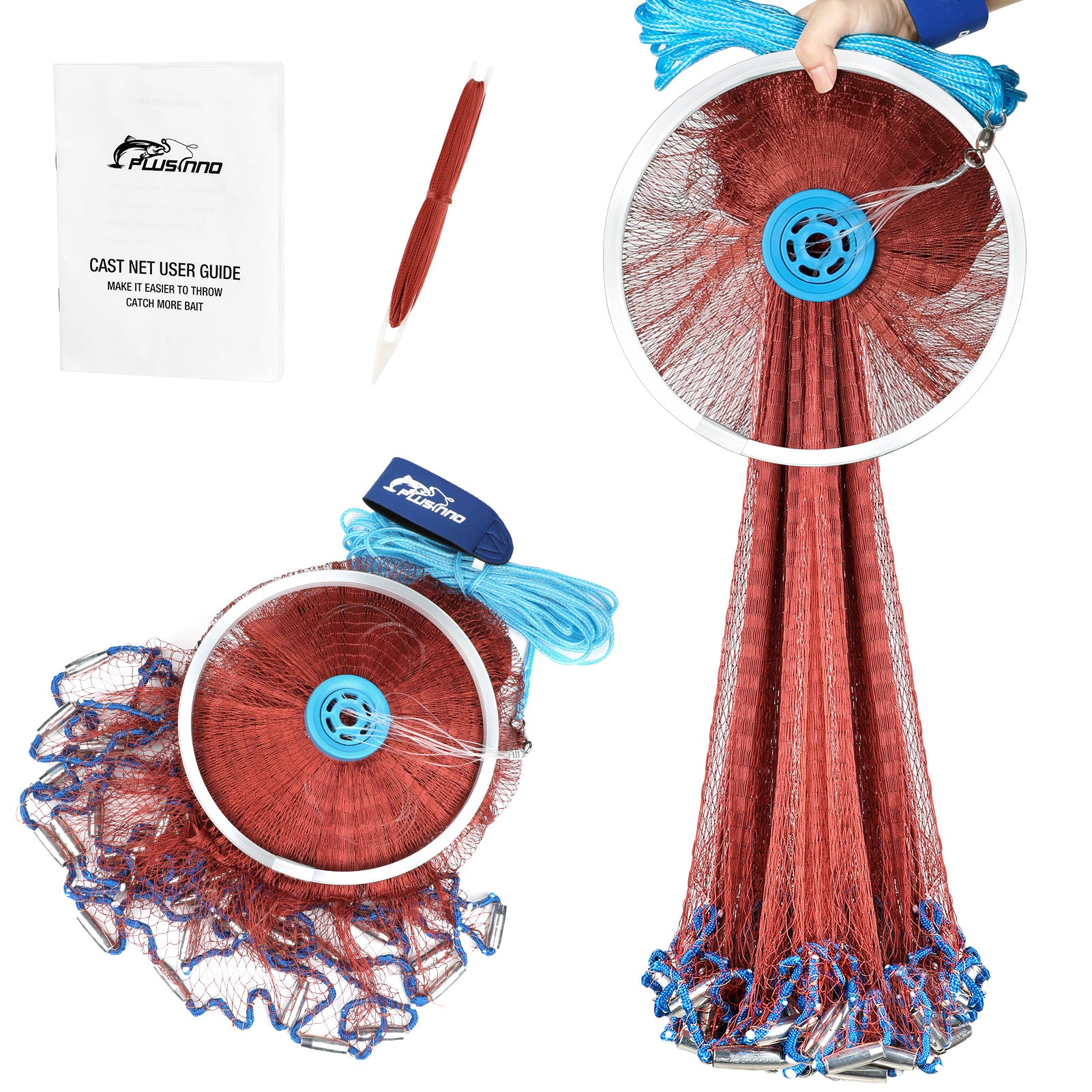
The Destructive Effects on Marine Life
The use of cast nets in fishing practices can have detrimental effects on marine life. When cast nets are thrown into the water, they create a wide netting area that captures not only the target species but also unintended bycatch. This bycatch often includes juvenile fish, sea turtles, and other marine organisms that are essential for maintaining a balanced ecosystem.
Furthermore, the physical impact of cast nets on the seafloor can cause damage to fragile habitats such as coral reefs and seagrass beds. These habitats serve as nurseries and feeding grounds for many marine species, and their destruction can have cascading effects throughout the food chain.
The Threat to Biodiversity
The environmental impact of using cast nets extends beyond the immediate catch. The overfishing of certain species, driven by the efficiency of cast nets, can disrupt the delicate balance of marine ecosystems. When a particular species is overexploited, it can lead to a decline in population numbers and even extinction in extreme cases.
For example, the use of cast nets in some regions has contributed to the decline of certain fish species that are crucial for maintaining the health of coral reefs. Without these fish, the reefs become more susceptible to degradation, affecting the entire ecosystem that relies on them.
Sustainable Alternatives
While the environmental impact of using cast nets is concerning, there are sustainable alternatives that can help mitigate these effects. One such alternative is the use of selective fishing gear, such as hook and line or traps, which target specific species and minimize bycatch.
Additionally, implementing fishing regulations and enforcing sustainable fishing practices can play a crucial role in protecting marine ecosystems. By setting catch limits, establishing protected areas, and promoting responsible fishing practices, we can ensure the long-term sustainability of our oceans.
The Role of Education and Awareness
Education and awareness are key in addressing the environmental impact of using cast nets in fishing practices. By educating fishermen and the general public about the importance of sustainable fishing methods, we can foster a sense of responsibility towards our marine environments.
Organizations and initiatives that promote sustainable fishing practices, such as the Marine Stewardship Council, are instrumental in raising awareness and encouraging the adoption of sustainable alternatives to cast nets.
Together, we can make a difference in preserving our oceans and the diverse marine life they support.



commentaires