


Uncover the Secret to Radiant Skin: The Ultimate Choice Between Buying or Leasing Red Light Therapy Beds!
Red light therapy beds have emerged as a revolutionary approach to enhancing skin health, offering a range of benefits from rejuvenation to healing. This innovative treatment utilizes specific wavelengths of light to penetrate the skin, promoting collagen production and reducing inflammation. As awareness grows, many individuals and businesses are considering red light therapy beds for personal or commercial use. With a variety of options available, you may find yourself at a crossroads: should you buy or lease a red light therapy bed? In this article, we will explore the pros and cons of each option, helping you make an informed decision that aligns with your skin health goals and financial situation.
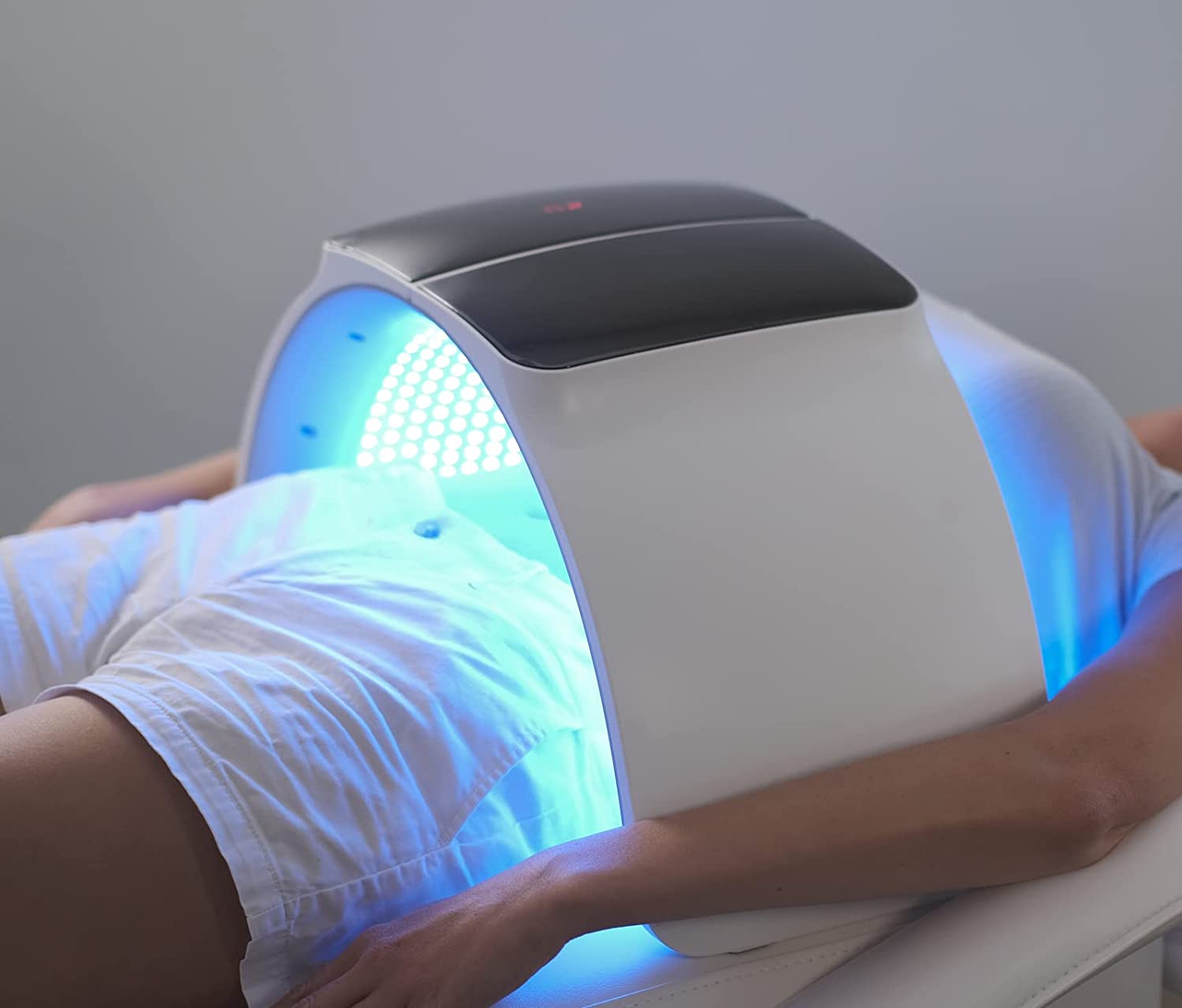
Understanding Red Light Therapy
Red light therapy is a non-invasive treatment that uses low-level wavelengths of red light to stimulate cellular activity in the body. When applied to the skin, it can enhance collagen production, reduce fine lines and wrinkles, and improve overall skin tone and texture. This therapy works by energizing the mitochondria in skin cells, promoting healing and regeneration. Users often report visible improvements in skin elasticity and a reduction in the appearance of scars and blemishes. Beyond aesthetics, red light therapy is also known for its therapeutic effects, aiding in muscle recovery and reducing inflammation. With increasing scientific backing, this treatment is gaining traction among skincare enthusiasts and wellness advocates alike.
Buying vs. Leasing: An Overview
When it comes to red light therapy beds, the decision to buy or lease significantly impacts your financial and operational strategy. Purchasing a bed means a larger upfront investment, but it can lead to long-term savings, especially if you plan to use the bed frequently. Additionally, ownership allows for greater customization, ensuring you can select the model that best suits your needs. On the other hand, leasing typically requires lower initial costs, making it an attractive option for those with budget constraints. Leasing also often comes with maintenance support, which can alleviate some of the responsibilities associated with ownership. However, it may limit your choices in terms of equipment upgrades and customization. Understanding these dynamics is essential for making the right choice.
Advantages of Buying Red Light Therapy Beds
Owning a red light therapy bed offers several advantages, particularly in terms of cost efficiency over time. Once you purchase a bed, the ongoing expenses are typically limited to maintenance and energy costs, which can be significantly lower than monthly lease payments. You also gain the convenience of having the equipment readily available whenever you need it, eliminating the need for scheduling appointments or dealing with rental terms. Additionally, owning a bed allows for customization—whether it be the size, features, or technology—tailoring it to your specific needs. Friends who have invested in their own therapy beds often share how empowering it feels to have control over their skin care routine, enjoying the flexibility to use the therapy at their convenience.
Advantages of Leasing Red Light Therapy Beds
Leasing red light therapy beds presents unique benefits, particularly for those who are hesitant to commit to a purchase. The lower upfront costs make it easier to integrate this advanced therapy into your routine without a substantial financial burden. Many leasing agreements also include maintenance and support, ensuring your equipment remains in optimal condition without the hassle of DIY repairs. Furthermore, leasing provides an excellent opportunity for those who want to test the waters before fully committing. You can easily upgrade to newer models or different types of beds as technology evolves or your needs change. This flexibility can be particularly appealing for businesses looking to adapt to customer demands or trends in the wellness industry.
Factors to Consider When Deciding
Choosing between buying and leasing a red light therapy bed involves careful consideration of several key factors. Your budget is paramount—assess what you can comfortably afford upfront versus ongoing payments. Additionally, think about how you plan to use the bed; frequent personal use may justify a purchase, while commercial use might lean toward leasing to keep options open. Space availability is another crucial consideration; ensure you have adequate room for a bed, whether owned or leased. Lastly, evaluate your long-term goals—if you anticipate growing interest or use, buying may be more beneficial, but if you prefer flexibility, leasing could be the better route.
Making an Informed Choice
In conclusion, the choice between buying or leasing red light therapy beds is multifaceted and should be approached with careful consideration of your individual needs and circumstances. Weighing the long-term savings and customization benefits of ownership against the lower upfront costs and flexibility of leasing is essential. By understanding the nuances of each option, you can make an informed decision that aligns with your skin health goals and financial plans. Whether you choose to invest in your own therapy bed or opt for a lease, the key is to select an option that best supports your journey toward radiant skin.



Comments