


Unlock the Secrets of Exterior Range Hood Vents: Transform Your Kitchen Today!
In the realm of modern kitchens, the significance of exterior range hood vents cannot be overstated. These essential fixtures are designed to enhance your cooking environment by efficiently expelling smoke, steam, and odors generated during food preparation. Imagine whipping up your favorite dish without being overwhelmed by lingering smells or humidity—this is the promise of a well-installed range hood vent. Not only do they improve air quality, but they also play a pivotal role in maintaining a pleasant atmosphere in your kitchen, making it a more enjoyable space for cooking and entertaining. As someone who has experienced the benefits firsthand while visiting a friend’s newly renovated kitchen, I can attest to the difference these vents make in creating a fresh and inviting cooking space.
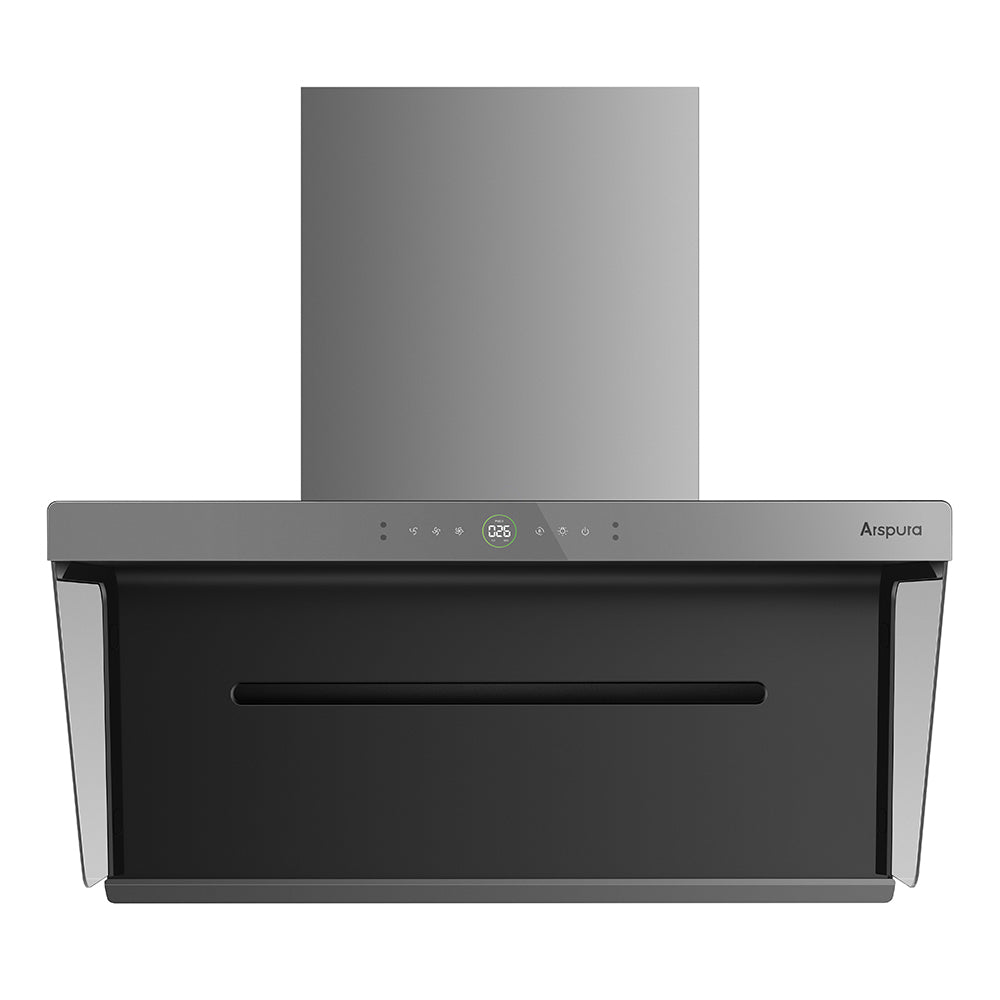
Understanding Exterior Range Hood Vents
Exterior range hood vents are specialized ventilation systems installed above cooking surfaces, designed to capture and expel airborne pollutants. These vents consist of several key components, including the hood itself, ductwork, and an exhaust fan. The hood is typically mounted on the wall or under cabinetry, serving as the first line of defense against cooking fumes. When you cook, the exhaust fan activates, drawing in smoke, steam, and odors through filters that trap grease and debris. The filtered air is then expelled outside through ducting, ensuring that your kitchen remains fresh and free of unwanted smells. Understanding how these components interact is essential for anyone considering an upgrade to their kitchen's ventilation system, as it directly impacts the efficiency and effectiveness of the hood.
Benefits of Installing Exterior Range Hood Vents
The advantages of installing an exterior range hood vent are plentiful and multifaceted. Firstly, these vents significantly improve ventilation, which is crucial for maintaining a healthy cooking environment. By removing heat and humidity generated during cooking, they help regulate the temperature of your kitchen, making it a more comfortable space. Secondly, one of the most noticeable benefits is the elimination of cooking odors. A friend of mine who loves to experiment with spices found that after installing an exterior range hood, her kitchen remained free of lingering smells, allowing her to enjoy her culinary creations without any olfactory distractions. Additionally, an exterior range hood can enhance the aesthetics of your kitchen. With numerous designs and finishes available, these vents can serve as a stylish focal point, elevating the overall look of your kitchen. Lastly, proper ventilation can even prolong the life of your kitchen appliances by reducing the build-up of grease and moisture.
Installation Requirements for Exterior Range Hood Vents
When it comes to installing an exterior range hood vent, several key considerations must be addressed. The first step is determining the optimal location for the hood, typically above the cooking surface, to maximize its effectiveness. Next, the ducting requirements should be carefully planned. The ductwork must be of appropriate diameter and length to ensure efficient airflow; longer ducts can reduce performance, so aiming for a direct route to the outside is ideal. Homeowners can choose between professional installation and a DIY approach, depending on their skill level and comfort with home improvement projects. While DIY installation can save money, enlisting a professional can ensure that the vent is installed correctly and safely, adhering to local building codes and regulations. Additionally, proper sealing and insulation of the ductwork are crucial to prevent leaks and maintain energy efficiency.
Maintenance Tips for Exterior Range Hood Vents
To keep your exterior range hood vent functioning optimally, regular maintenance is key. Start by cleaning the filters, which often accumulate grease and debris over time. Depending on the type of filter, you can either wash them with warm soapy water or replace them. It’s also advisable to wipe down the exterior of the hood to maintain its appearance and prevent grease buildup. Checking the ductwork periodically for any obstructions or damage is essential to ensure proper airflow. Additionally, consider scheduling a professional inspection every few years to maintain the performance and longevity of your system. A well-cared-for range hood vent can provide years of effective service, enhancing your kitchen experience.
Key Takeaways on Exterior Range Hood Vents
In summary, exterior range hood vents are a vital addition to any modern kitchen, offering improved air quality, enhanced comfort, and aesthetic appeal. Their ability to efficiently remove smoke, steam, and odors makes cooking a much more enjoyable experience. By understanding their functions, benefits, and installation requirements, homeowners can make informed decisions when considering a kitchen remodel or new design. Whether you choose to install one yourself or hire a professional, the advantages of having an exterior range hood vent are undeniable. Transform your kitchen today and enjoy a healthier, more inviting cooking environment!



Comments