


Unlock the Secrets of Gas Grills: Transform Your Outdoor Cooking Experience!
Gas grills have surged in popularity among outdoor cooking enthusiasts, and for good reason. As more people embrace the joys of grilling, the convenience and efficiency of gas grills stand out compared to traditional methods like charcoal or wood. With just a turn of the knob, you can ignite your grill and be ready to cook in minutes, making it an ideal choice for busy weeknights or impromptu backyard gatherings. In this article, we will delve into the world of gas grills, exploring their features, benefits, various types, and essential cooking tips to help you elevate your outdoor cooking experience.
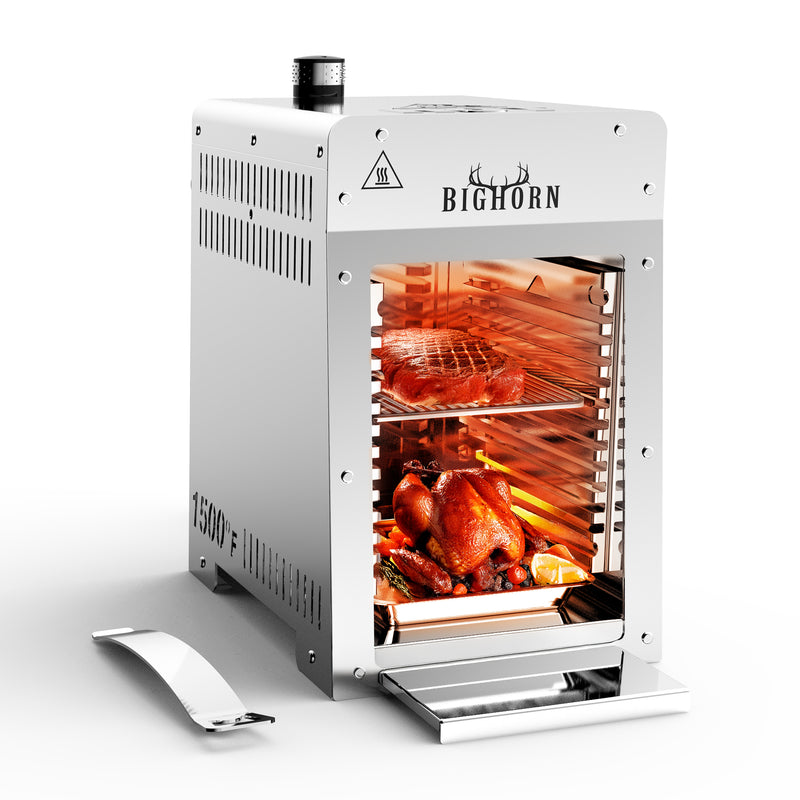
Understanding Gas Grills
Gas grills are outdoor cooking appliances that use gas as a fuel source to heat up cooking surfaces. The most common types of fuel used are propane and natural gas. Propane is typically stored in portable tanks, making it a popular choice for those who want a mobile grilling solution. Natural gas, on the other hand, is connected directly to your home’s gas line, offering an endless supply of fuel. The operation of gas grills is straightforward; gas is released through burners, ignited by an ignition system, and distributed across the cooking surface. This ensures even heating and precise temperature control, allowing for more versatile cooking methods such as grilling, roasting, and even baking.
Features of Gas Grills
Gas grills come equipped with several key features that enhance the grilling experience. One of the most significant aspects is heat control, which is achieved through adjustable burners that allow you to set the desired temperature accurately. The cooking surface area varies among models, giving you options that suit your cooking needs, whether you're preparing a meal for two or hosting a large barbecue. Additionally, many gas grills feature advanced ignition systems, such as electronic push-button igniters, which make starting your grill effortless. Other features may include side burners for additional cooking space, rotisserie attachments for slow-roasting meats, and warming racks to keep food hot while you finish cooking other items. Together, these features make gas grills a versatile choice for any outdoor cooking enthusiast.
Benefits of Using Gas Grills
The advantages of using gas grills are numerous. First and foremost, convenience is a significant factor; gas grills heat up quickly, allowing you to start cooking in less than 10 minutes, compared to the longer wait times associated with charcoal grills. They are also easier to clean, as many models come with removable grease trays and stainless steel surfaces that can be wiped down easily. From a health perspective, gas grilling can be better for you; it allows for better control over cooking temperatures, which can help reduce the formation of harmful compounds that can occur with high-heat cooking methods. Furthermore, using gas means fewer emissions than burning charcoal, making it a more environmentally friendly option. All these benefits make gas grills an appealing choice for those who love to cook outdoors without the hassle.
Types of Gas Grills
When selecting a gas grill, it’s essential to understand the different types available. Portable gas grills are great for tailgating or camping, offering the flexibility to cook anywhere. Built-in grills are designed for outdoor kitchens, providing a seamless look and a permanent cooking solution, but they often come at a higher cost. Hybrid models combine gas and charcoal features, allowing you to enjoy the benefits of both grilling methods. Each type has its pros and cons; for instance, portable grills may lack the cooking space of built-in models, while built-in grills may require more installation effort. By evaluating your specific needs, lifestyle, and cooking habits, you can find the perfect gas grill to suit your outdoor cooking endeavors.
Cooking Tips for Gas Grills
To make the most of your gas grill, consider some essential cooking tips. First, mastering temperature control is crucial; preheat your grill and use two-zone cooking by having one side set at high heat and the other at low. This method allows for searing meats before moving them to the cooler side to finish cooking. Marinating your food not only enhances flavor but can also help achieve those coveted grill marks. It’s important to remember that safety should be a priority; always check for gas leaks before lighting your grill by applying soapy water to connections and watching for bubbles. Lastly, clean your grill regularly to maintain its performance and longevity. These tips will not only improve your grilling techniques but also ensure a safe and enjoyable cooking experience.
Embracing the Joys of Gas Grilling
In conclusion, gas grills offer a convenient, efficient, and enjoyable way to cook outdoors. From understanding how they work to exploring their features and benefits, you now have a solid foundation to enhance your grilling experience. Whether you’re a novice or a seasoned grill master, embracing the versatility of gas grills can transform your outdoor cooking adventures. So fire up that grill, try out new recipes, and enjoy the delicious flavors that come from grilling with gas!



Comments