


Unlock the Secret to Free Time Tracking That Boosts Your Small Business Efficiency!
In the fast-paced world of small business, every minute counts. Time tracking is not just a tool; it’s an essential component that can significantly enhance your business efficiency and productivity. However, for many small business owners, the challenge lies in finding a reliable and affordable solution. Many time attendance systems come with hefty monthly fees that can strain your budget. This is where fingerprint time attendance software shines, offering a powerful solution without ongoing costs. By utilizing this technology, you can streamline your attendance process, ensuring accurate tracking of employee hours while saving money for other vital areas of your business.
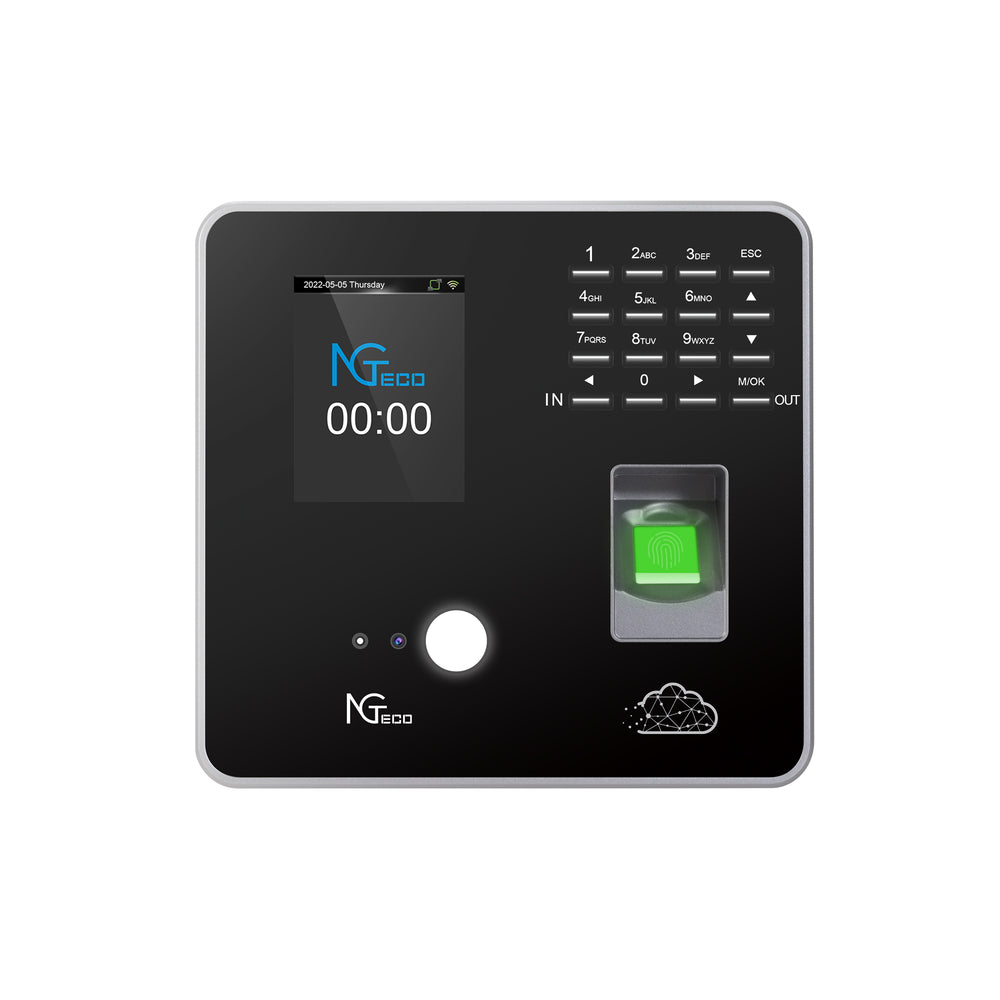
Understanding Time Attendance Software
Time attendance software is designed to help businesses monitor and manage employee attendance. It functions by recording when employees clock in and out, often using methods like biometric scans or traditional time cards. For small businesses, this software is crucial as it not only simplifies payroll processing but also provides insights into employee productivity and attendance patterns. By integrating time attendance software into your operations, you can reduce human error, eliminate buddy punching, and ensure that your employees are compensated accurately for their work hours. This level of efficiency can lead to significant savings and improved morale among staff, who appreciate a transparent and fair working environment.
Benefits of Fingerprint Time Attendance Systems
Fingerprint time attendance systems offer a multitude of advantages over traditional time tracking methods. One of the primary benefits is accuracy; biometric systems utilize unique fingerprint data, making it virtually impossible for employees to clock in for one another. This level of security is paramount in maintaining the integrity of your payroll. Additionally, these systems are user-friendly, often featuring straightforward interfaces that require minimal training. With the added benefit of eliminating the need for physical time cards or badges, businesses can save on material costs and reduce the risk of loss or theft. Compared to traditional systems, fingerprint technology not only enhances security but also promotes a culture of accountability and honesty within the workplace.
Choosing the Right Time Attendance Software for Your Small Business
When selecting the right time attendance software, especially for a small business, several key factors should be considered. First and foremost is the feature set; the software should offer functionalities that align with your specific business needs. Look for user-friendly interfaces that allow for easy navigation and minimal downtime during implementation. Compatibility with existing systems such as payroll or human resources software is also crucial to ensure seamless integration. Most importantly, consider solutions that do not incur monthly fees, as this can significantly affect your long-term budget. A one-time purchase or a software that offers lifetime licenses can provide substantial savings without sacrificing quality or features.
Common Features to Look For
When evaluating time attendance software, it’s essential to identify features that will enhance your tracking capabilities. Key aspects to consider include robust reporting tools that allow you to analyze attendance patterns and generate payroll reports effortlessly. Additionally, integration options with other software systems can streamline your operations, while mobile access ensures that you and your employees can check in or review attendance data from anywhere. These features not only improve efficiency but also provide valuable insights into workforce management.
Implementation Strategies
To implement a new time attendance software successfully, consider developing a clear training and onboarding plan for your staff. Begin by familiarizing your employees with the system and its features. Offering hands-on training sessions can alleviate concerns and encourage buy-in from your team. Additionally, consider establishing a feedback loop where employees can voice any challenges they encounter with the new system. This approach fosters a collaborative environment and ensures that the transition to the new software is smooth and efficient.
Key Takeaways for Small Business Time Tracking
In conclusion, selecting the right time attendance software is a critical step toward enhancing the efficiency of your small business. By opting for fingerprint time attendance systems that do not incur monthly fees, you not only save money but also invest in a more secure and accurate method of tracking employee hours. Remember, a well-implemented time tracking solution can lead to improved productivity, reduced payroll errors, and a more motivated workforce. As you explore your options, keep in mind the features that align with your business goals and needs, ensuring you make a choice that supports your growth and success.



Comments