


Unlock the Secret: How a WiFi Time Clock Can Revolutionize Your Work Life!
In today’s fast-paced work environment, the need for precise time management has never been more critical. Enter the WiFi time clock, a modern solution that streamlines the way businesses track employee hours. Unlike traditional time clocks that often require manual input or cumbersome punch cards, WiFi time clocks leverage internet connectivity to offer real-time tracking, making time management not just easier, but also more accurate.
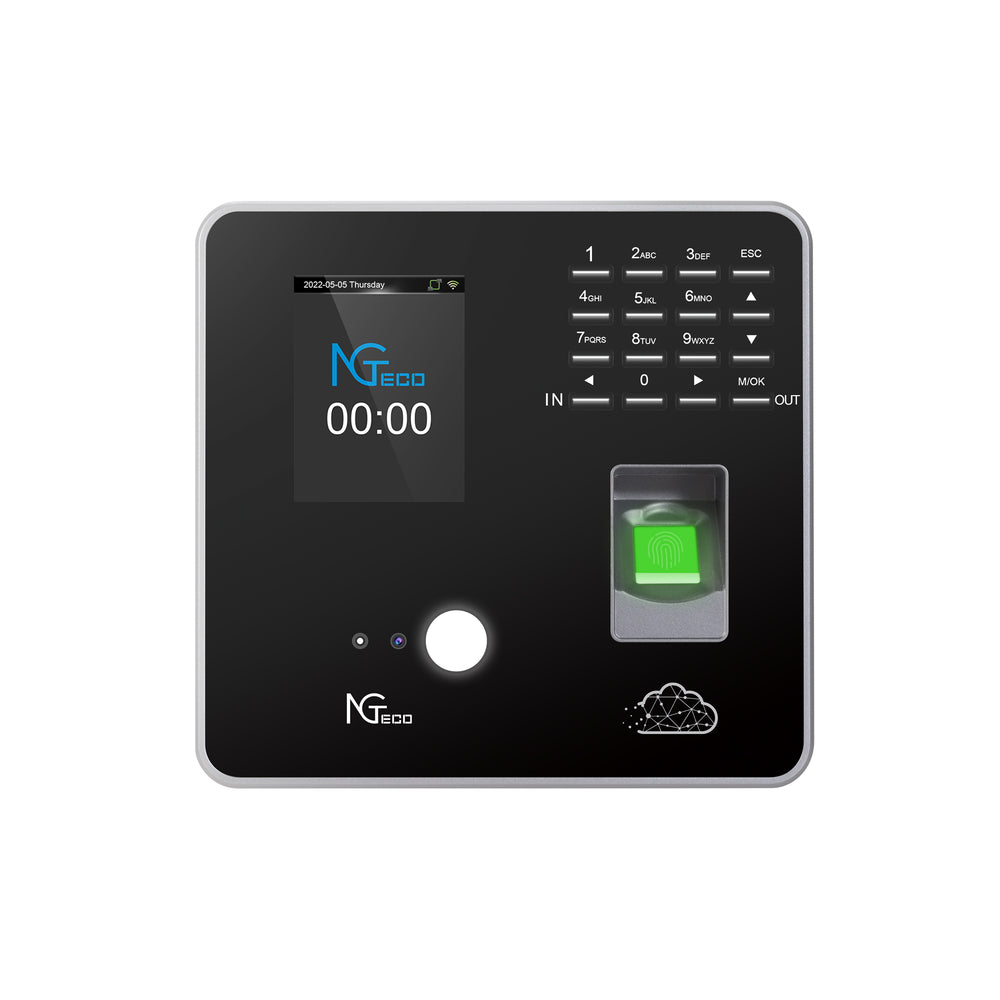
Imagine a workplace where every minute is accounted for, and time theft is virtually eliminated. By utilizing a WiFi time clock, organizations can experience a range of benefits, from enhanced accuracy in payroll to compliance with labor laws. In this article, we will delve into the workings of WiFi time clocks, their numerous advantages, practical applications in various settings, and what you need to consider before implementation.
What is a WiFi Time Clock?
A WiFi time clock is a digital device that allows employees to clock in and out via a wireless internet connection. Unlike traditional time clocks that might rely on physical cards or manual entries, these modern clocks use cloud technology to track hours automatically. When an employee logs in, their data is sent to a centralized system that records their hours, breaks, and attendance in real-time.
The technology behind WiFi time clocks often includes features such as biometric scanning, facial recognition, or simple PIN entries, providing a variety of ways for employees to log their hours. The integration of WiFi means that businesses can monitor attendance from any location, facilitating remote work scenarios and multi-site operations. This connectivity not only enhances the accuracy of time tracking but also simplifies the payroll process, eliminating common errors associated with manual timekeeping.
Benefits of Using a WiFi Time Clock
The key benefits of using a WiFi time clock are numerous. First and foremost is the increased accuracy in tracking working hours. When employees clock in and out electronically, the chances for human error are significantly reduced. Additionally, real-time data access allows managers to keep a close watch on attendance patterns, enabling them to make informed decisions regarding staffing and scheduling.
Another major advantage is the reduction of time theft, a common issue where employees inaccurately report their hours. WiFi time clocks help mitigate this risk by providing secure login methods and real-time tracking. Furthermore, they assist businesses in staying compliant with labor laws, ensuring that employees are paid correctly for the hours they work, which can help prevent costly legal issues down the line.
Applications in Various Settings
WiFi time clocks can be utilized across diverse environments, including offices, retail spaces, and manufacturing facilities. In an office setting, for instance, a WiFi time clock can streamline the check-in process for employees, allowing them to start their workday promptly without the hassle of paper logs. Retail businesses can benefit from these devices as well, especially during peak shopping seasons when accurate staffing is crucial.
Consider the case of a friend who manages a small manufacturing plant. She implemented a WiFi time clock system to address ongoing issues with time theft and inaccurate payroll. The results were remarkable: not only did employee morale improve with the transparency of the system, but payroll errors were reduced by over 30%. This success story exemplifies how effective tracking can lead to a more streamlined operation and better employee satisfaction.
Implementation Considerations
While implementing a WiFi time clock can be transformative, there are several factors to consider to ensure a smooth transition. First, internet connectivity is crucial. Organizations should evaluate their current network capabilities, as poor WiFi signals can hinder the effectiveness of the time clock. Moreover, investing in a robust internet connection can prevent potential disruptions in service.
Employee training is another essential aspect of implementation. Providing comprehensive training on how to use the system can ease anxiety and ensure that employees are comfortable with the new technology. Additionally, businesses should be prepared to address potential challenges, such as technical glitches or resistance from employees who prefer traditional methods. By proactively planning for these issues, organizations can facilitate a seamless transition to a WiFi time clock system.
Transforming Time Management with WiFi Solutions
In summary, WiFi time clocks represent a significant advancement in the way businesses manage employee time. By enhancing accuracy, reducing time theft, and providing real-time data access, these tools can transform workplace efficiency. As you consider the current methods your organization employs for time tracking, think about the advantages a WiFi time clock could bring to your operations.
Adopting modern technology is essential for any business looking to improve productivity and employee satisfaction. By staying updated with innovative tools like WiFi time clocks, you can ensure that your organization is not only keeping pace with the times but also setting itself up for future success.



Comments