


Unlocking the Secrets: Discover the Untold Story Behind Allen Bradley's Stock Performance!
When discussing the landscape of industrial automation, few names resonate as strongly as Allen Bradley. Founded in 1903, this company has been at the forefront of technological advancements in the manufacturing sector, significantly shaping modern automation. Its stock performance is not just a financial metric; it's a reflection of the company's ability to innovate and adapt in a fiercely competitive market. Understanding the historical trends and current status of Allen Bradley's stock is crucial for investors and industry enthusiasts alike. In this article, we will delve deep into the company's stock performance, exploring past milestones, current market dynamics, and future outlooks that could impact its financial trajectory.
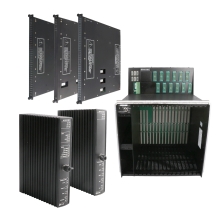
Historical Performance of Allen Bradley's Stock
Allen Bradley's journey on the stock market has been marked by significant milestones that reflect both triumphs and challenges. In the early years, the company experienced steady growth as it introduced pioneering products that revolutionized the automation industry. However, the real game-changer came in the 1980s when the company was acquired by a larger conglomerate, resulting in increased investments in research and development. This led to a surge in stock prices as Allen Bradley continued to innovate. Notably, the late 1990s and early 2000s saw the advent of digital automation solutions, further propelling stock value. However, the stock faced volatility during economic downturns, particularly during the 2008 financial crisis, as demand for industrial automation softened. Understanding these historical trends is crucial for grasping how external economic conditions and internal strategic decisions have shaped the stock's performance over the years.
Factors Influencing Stock Performance
The performance of Allen Bradley's stock is influenced by a myriad of internal and external factors. On the internal front, continuous innovation and product development play a critical role. The company's commitment to integrating cutting-edge technology, such as IoT and AI, into its automation solutions is a significant driver of growth. Externally, market trends and economic conditions also heavily influence stock performance. For instance, a strong manufacturing sector often correlates with increased demand for automation solutions, which in turn boosts stock prices. Additionally, competition from other players in the industry can impact market share and investor confidence. A personal anecdote comes to mind when my friend, who works in manufacturing, shared how his company’s increased automation led to greater productivity, thereby leading to stock improvements for the suppliers, including Allen Bradley. Such real-world applications underscore the importance of understanding these influencing factors.
Current Stock Status and Market Position
As of now, Allen Bradley's stock status reflects a mixture of stability and cautious optimism. Recent trends indicate a steady appreciation in stock value, attributed to the company's proactive measures in adapting to market demands. A comparative analysis with competitors shows that Allen Bradley maintains a strong market position, often leading in innovation and customer loyalty. However, the market is constantly evolving, and external pressures such as supply chain disruptions and geopolitical tensions could pose challenges. Observing how the company navigates these circumstances will be vital for potential investors. Additionally, industry analysts have noted that the current demand for automation solutions remains robust, suggesting a positive trajectory for Allen Bradley's stock performance in the near future.
Future Outlook for Allen Bradley's Stock
Looking ahead, the future outlook for Allen Bradley's stock appears promising, driven by anticipated advancements in technology and increasing global demand for automation. Analysts predict that as industries continue to embrace digital transformation, companies like Allen Bradley will be well-positioned to capitalize on new opportunities. Moreover, ongoing investments in sustainability and eco-friendly solutions could further enhance the company's reputation and market share. It’s essential to consider that while the outlook is positive, market fluctuations can occur, and investor sentiment can change rapidly. My colleague, who closely follows market trends, often emphasizes the importance of staying updated on both the technological advancements and macroeconomic factors that could influence stock performance. This holistic perspective can provide valuable insights for making informed investment decisions.
Summary of Key Insights on Allen Bradley's Stock Performance
In conclusion, the stock performance of Allen Bradley is a complex interplay of historical trends, current market dynamics, and future potentials. Understanding the past milestones and the factors driving stock performance is crucial for anyone looking to invest or engage with the company. As we move forward, staying informed about the market dynamics and technological advancements will be key to making sound investment decisions. Allen Bradley's commitment to innovation and adaptability positions it well for future success, making it a noteworthy consideration for investors in the industrial automation space.



تعليقات