


Unlock the Secrets: Choosing the Perfect Time Card Machine for Your Business!
In today's fast-paced business environment, managing employee attendance and payroll efficiently is crucial. Time card machines play an essential role in streamlining these processes by accurately tracking hours worked, minimizing errors, and ensuring timely payments. With a plethora of options available, from simple mechanical devices to advanced digital systems, selecting the right time card machine can feel overwhelming. It's vital to make an informed decision that aligns with the specific needs of your business, taking into account factors such as employee size, budget constraints, and desired functionalities. In this article, we will explore the different types of time card machines, their key features, and how to compare models to help you choose the perfect solution for your business needs.
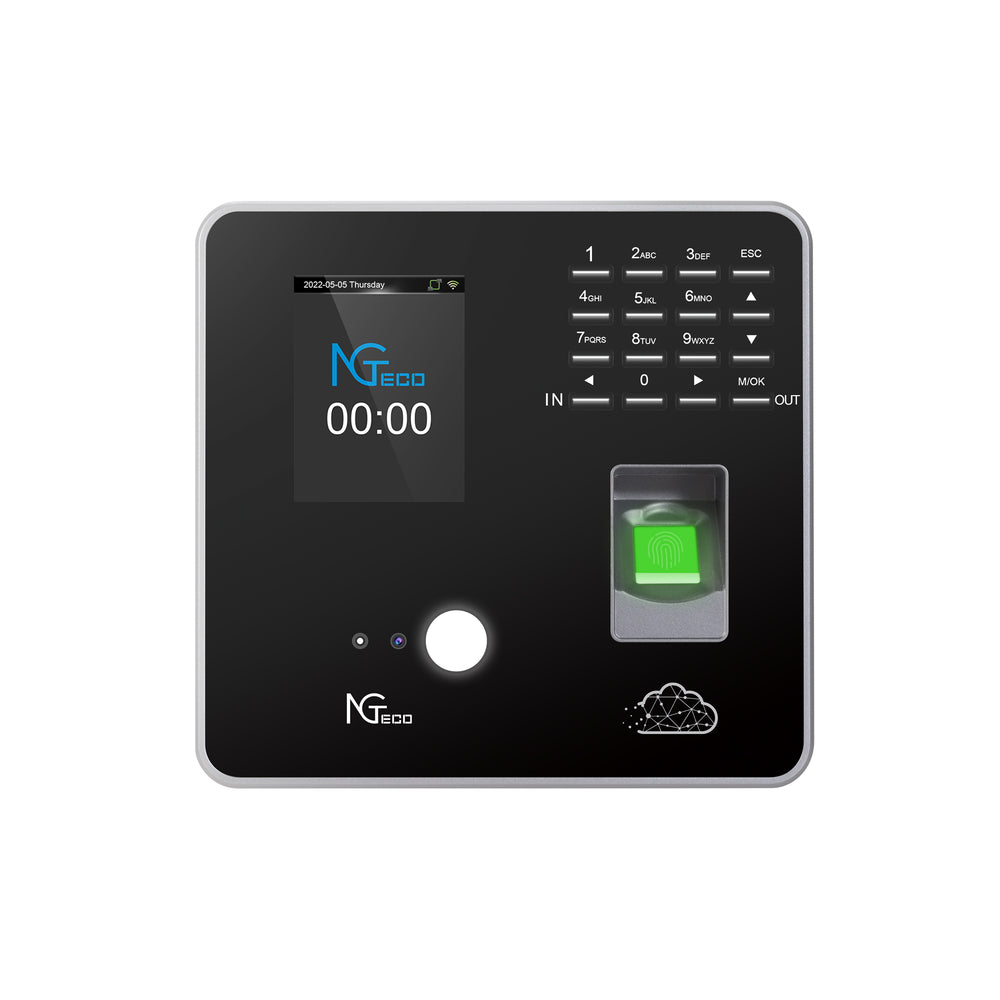
Understanding Time Card Machines
Time card machines are devices that record the time employees clock in and out of work. They can be mechanical, using physical cards that are stamped, or digital, where employees log their hours electronically. Regardless of the type, the primary function of these machines is to ensure accurate time tracking, which is essential for payroll processing. One of the main benefits of using a time card machine is the reduction of human error; manual entry can lead to mistakes that cost businesses money. Additionally, these machines save time for both employees and managers, allowing for quicker and more efficient payroll processing. For instance, a friend of mine who runs a small marketing agency recently switched to a digital time card system and reported a significant decrease in payroll discrepancies, which had been a chronic issue.
Key Features to Consider
When selecting a time card machine, several key features should be taken into account to ensure that the chosen model meets your business's needs:
- Types of time tracking: Consider whether you prefer manual systems, which require employees to punch in their hours, or automated systems that can track time through biometric scans or mobile apps.
- Integration with payroll systems: A time card machine that seamlessly integrates with your existing payroll software can save you a great deal of time and reduce the risk of errors.
- User-friendliness and employee accessibility: The machine should be easy to use for all employees, regardless of their tech-savviness. Features like touchscreens and mobile access can enhance usability.
- Data security and storage capacity: Ensure that the machine has adequate data security measures to protect sensitive employee information and enough storage capacity to keep track of time records.
By focusing on these features, businesses can narrow down their options and find a time card machine that fits seamlessly into their operations.
Comparing Different Models
When it comes to time card machines, various models offer different functionalities, ease of use, and user feedback. For instance, some mechanical time card machines require physical cards and have a straightforward operation, making them suitable for small businesses with limited employee numbers. However, they may lack advanced reporting capabilities. On the other hand, digital time card machines offer features such as cloud storage, mobile accessibility, and real-time data tracking, which can be beneficial for larger organizations with remote employees. A friend who manages a large retail chain shared that they opted for a digital system after experiencing challenges with their previous mechanical setup. The transition not only improved their time-tracking accuracy but also provided valuable insights into employee attendance patterns. While digital options may come with a higher upfront cost, the long-term benefits often outweigh the initial investment. It's essential to weigh the pros and cons of each model, considering your business size and operational complexity.
Making the Right Choice for Your Business
Choosing the right time card machine involves evaluating your specific business needs carefully. Start by assessing the size of your workforce; larger teams may benefit from more automated solutions, while smaller businesses might find manual systems sufficient. Next, consider your budget; while some machines may require a higher initial investment, they could save you money in the long run through increased efficiency. Additionally, reflect on the features that matter most to you—such as integration capabilities or user-friendliness. Gathering feedback from employees is also crucial; involving them in the decision-making process can lead to a smoother transition. A colleague of mine who runs a construction firm found that discussing options with his team led to better buy-in when they implemented a new digital system. Ultimately, the right time card machine should not only meet your current needs but also have the flexibility to adapt as your business grows.
Streamlining Your Business with the Right Time Card Machine
In conclusion, selecting the right time card machine is a vital step in enhancing your business's time management and payroll processes. By understanding what time card machines are, recognizing key features, comparing different models, and evaluating your unique business requirements, you can make an informed choice that will streamline operations and improve accuracy. Remember that the right solution will not only address your current needs but also adapt to future growth and changes. Take the time to assess your options carefully, and you'll unlock the potential for greater efficiency and employee satisfaction in your organization.



Comments