


Unlock the Secrets to Choosing the Perfect Variable Frequency Drive!
In the realm of industrial automation, variable frequency drives (VFDs) have emerged as crucial components for optimizing motor performance across various applications. These devices allow for precise control of motor speed and torque, leading to enhanced energy efficiency and operational flexibility. Whether you're in manufacturing, HVAC, or any sector that relies on motor-driven equipment, understanding VFDs will empower you to make informed decisions that enhance productivity and reduce costs. This article aims to guide you through the process of selecting the right VFD vendor or options tailored to your specific needs, ensuring that you invest wisely in this essential technology.
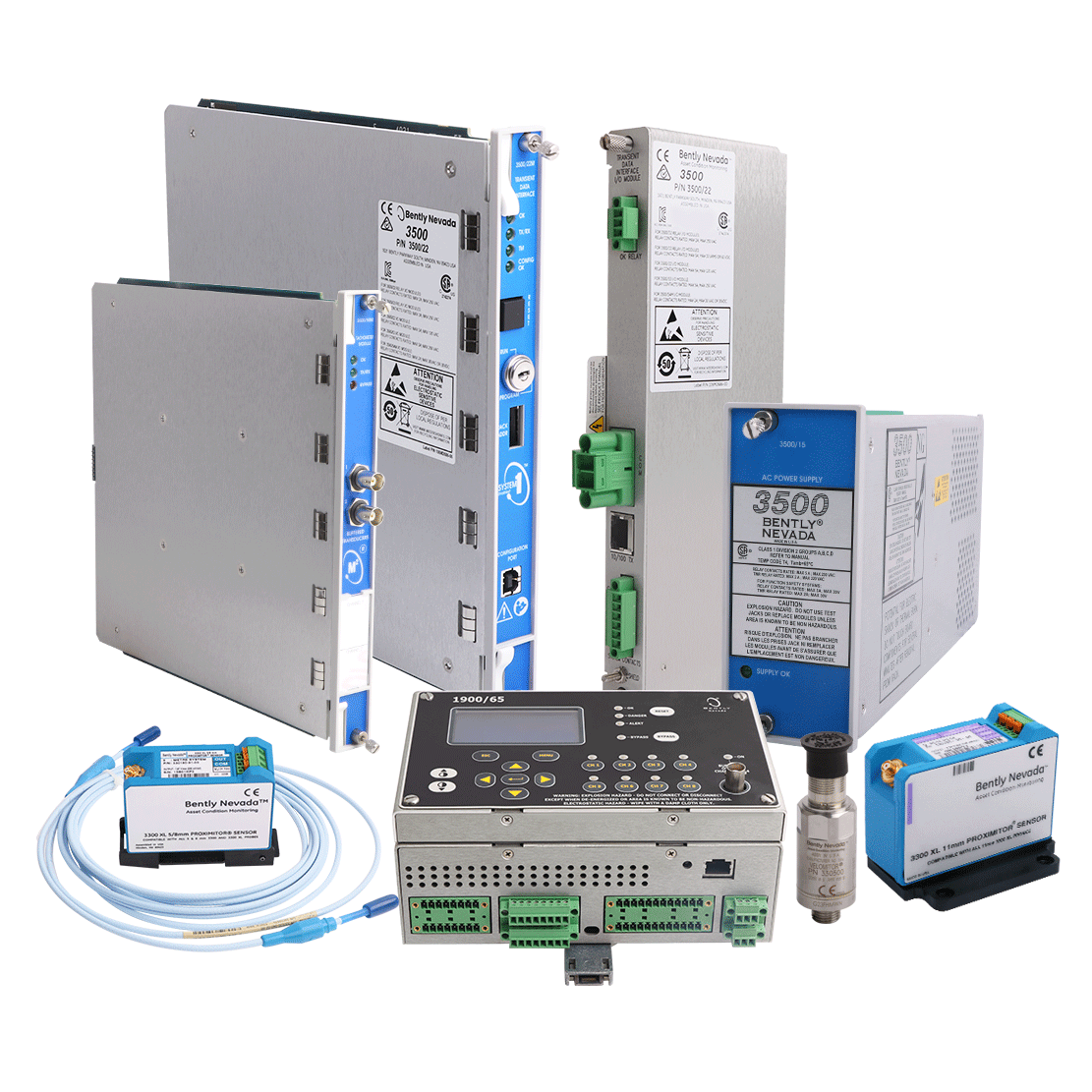
Understanding Variable Frequency Drives
Variable frequency drives are electronic devices that adjust the frequency and voltage supplied to an electric motor. By controlling the speed of the motor, VFDs not only enhance operational efficiency but also contribute to energy savings. The fundamental principle behind VFDs involves converting the incoming AC power to DC power and then back to AC power at a desired frequency and voltage. This capability allows for a wide range of applications, including pumps, fans, conveyors, and more. Industries across the board benefit from VFDs by experiencing reduced energy consumption, decreased wear on mechanical components, and improved process control. A friend of mine who manages a manufacturing facility shared how implementing VFDs significantly reduced their energy bills while extending the lifespan of their motors—an experience that exemplifies the advantages these drives bring to the table.
Key Factors to Consider When Choosing a VFD
When selecting a variable frequency drive, several critical factors should guide your decision-making process. First and foremost is the power rating, which must match or exceed the requirements of your application. Next, consider the control methods offered by the VFD, such as vector control or scalar control, and evaluate which aligns better with your operational needs. Environmental conditions are also paramount; ensure that the VFD can withstand the temperature, humidity, and potential dust or corrosive elements present in your facility. Lastly, compatibility with existing systems cannot be overlooked. It's vital to assess how well the VFD integrates with your current motor and control systems to avoid costly modifications later. A colleague of mine once faced challenges when a VFD they selected was incompatible with their existing setup, leading to unexpected delays and expenses—an experience that highlights the importance of thorough research.
Comparing Vendors and Options
With a clear understanding of your requirements, the next step is to compare different vendors and their offerings. Start by evaluating product quality; look for VFDs that are backed by rigorous testing and certification standards. Additionally, consider the level of customer support provided by the vendor, as reliable support can be invaluable during installation and troubleshooting. Warranty options also play a crucial role; a robust warranty can offer peace of mind against potential defects or failures. Don't underestimate the power of user reviews; feedback from other customers can provide insights into real-world performance and reliability. To effectively evaluate vendors, create a comparison chart that outlines these aspects, helping you visualize which options align best with your needs. A friend who recently purchased a VFD mentioned that diving into user reviews helped them avoid a vendor with a history of poor support, ultimately saving them time and frustration.
Cost Considerations and Budgeting
The cost of variable frequency drives can vary significantly based on a range of factors. When establishing a budget, consider not only the upfront costs of purchasing the drive but also the long-term savings it can generate. Energy efficiency is a primary consideration; while a higher initial investment might deter some buyers, the reduction in energy bills over time can justify the expense. Additionally, take into account installation costs, maintenance, and potential upgrades to existing systems. It can be helpful to conduct a cost-benefit analysis, projecting the return on investment (ROI) over a set period. My former supervisor frequently emphasized the importance of this analysis; he once chose a more expensive but energy-efficient VFD that resulted in considerable annual savings, proving that a well-thought-out investment pays off in the long run.
Next Steps for Informed Decision-Making
In summary, choosing the right variable frequency drive is a multifaceted process that requires careful consideration of your specific operational needs, vendor offerings, and budget constraints. By understanding the core functionalities of VFDs, evaluating key factors when selecting a drive, and comparing various vendors, you set the groundwork for a successful purchase. As you move forward, take the time to conduct thorough research and comparisons, ensuring you make an informed decision that enhances your operational efficiency and contributes to long-term savings. Creating a checklist for vendor evaluation can be a practical next step, helping you stay organized as you navigate through your options.
Significance of Selecting the Right VFD
Choosing the right variable frequency drive holds significant importance for enhancing your operational efficiency and achieving energy cost savings. The decision-making process involves evaluating your specific requirements, comparing vendors, and understanding the economic implications of your choice. As you embark on this journey, consider creating a checklist to systematically evaluate potential vendors and their offerings. This can help streamline your research and ensure that you make a well-informed investment that aligns with your operational goals and budgetary constraints. With the right VFD in place, you will be well on your way to optimizing your processes and achieving greater efficiency in your operations.



Comments