


Unlock the Secrets of Suet Blocks: Transform Your Bird Feeding Experience Today!
As a bird enthusiast, I've often found myself captivated by the colorful flocks that grace my backyard. One of the best-kept secrets in the bird feeding community is the suet block. These compact, calorie-rich treats have gained popularity among bird lovers for good reason. They not only provide essential nutrients for our feathered friends but also attract a variety of species, including woodpeckers, nuthatches, and even wrens. In this article, we will explore the benefits of using suet blocks in your bird feeding routine, delve into their composition, and share tips on how to make the most of these delightful offerings. Whether you're a seasoned birdwatcher or just starting out, suet blocks can truly enhance your bird feeding experience.
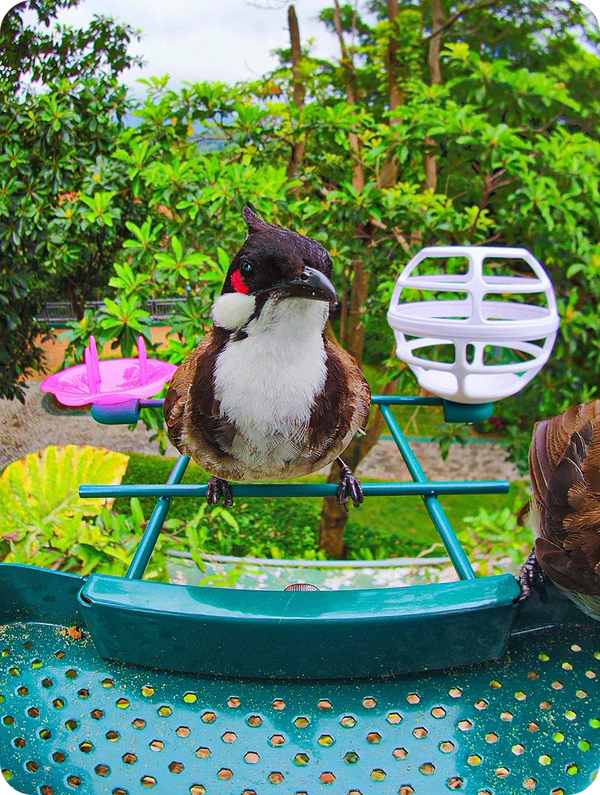
What Are Suet Blocks?
Suet blocks are solid cakes made primarily from animal fat, often blended with seeds, nuts, and fruit to create a nutritious treat for birds. Unlike traditional bird feeders filled with seeds, suet blocks provide a concentrated source of energy and are especially valuable during colder months when food sources are scarce. The use of suet in bird feeding dates back centuries, with early bird watchers utilizing fat from livestock to attract birds in their gardens. Over time, suet blocks have evolved, becoming more accessible and varied, with different recipes designed to appeal to specific bird species. Their unique formulation makes them stand out from other bird foods, offering a rich source of fat that is essential for birds, particularly during breeding season and winter.
Benefits of Using Suet Blocks
Incorporating suet blocks into your bird feeding practices has several advantages. First and foremost, they are an excellent source of energy for birds, especially in the winter months when their natural food sources may be limited. The high-fat content helps birds maintain their body heat and supports their metabolic needs. Additionally, suet blocks are known to attract a diverse range of bird species, including those that may not visit seed feeders. This can create a vibrant and dynamic birdwatching experience in your backyard. Suet blocks are also beneficial during the breeding season, as they provide the extra calories that adult birds need to feed their growing chicks. By offering suet blocks, you can foster a more diverse ecosystem in your outdoor space, drawing in species that may have otherwise gone unnoticed.
How to Use Suet Blocks Effectively
To make the most of suet blocks in your bird feeding routine, it's essential to use them correctly. Begin by choosing the right placement for your suet feeder. Ideally, position it in a sheltered location, such as near trees or shrubs, where birds can feel safe from predators. This not only encourages visiting birds but also provides them with a natural environment. When it comes to frequency, consider replacing suet blocks every few days, especially during peak feeding times. Regularly checking and refreshing the blocks ensures that birds have access to fresh food. Additionally, it's crucial to maintain clean feeding areas to prevent the spread of disease among birds. Cleaning the feeder and surrounding area regularly will promote a healthy feeding environment and keep your feathered friends coming back for more.
Common Mistakes to Avoid
While suet blocks are a fantastic addition to any bird feeding setup, there are common mistakes that bird feeders often encounter. One of the most significant pitfalls is improper placement; if suet feeders are placed in open areas without cover, birds may be hesitant to visit. Securing the blocks is equally important; failing to do so can lead to them being knocked down by squirrels or other animals, leaving birds without access to food. Lastly, weather conditions should be taken into account. During warmer months, suet can melt and spoil quickly, so it's wise to choose a more suitable feeding option. By avoiding these common mistakes, you can create a more successful and rewarding bird feeding experience.
Enhancing Your Bird Feeding Routine
In summary, suet blocks offer a unique and highly beneficial way to attract birds to your backyard. Their high energy content, ability to attract a variety of species, and suitability for different seasons make them a valuable addition to any bird feeding routine. By following the tips for effective usage and avoiding common mistakes, you can enhance your relationship with the avian visitors in your area. So why not incorporate suet blocks into your bird feeding strategy today and enjoy the vibrant spectacle of birds that will follow?



Comments